Discover buy fair trade tea Canada for premium ethically sourced teas
Discover the World of Fair Trade Tea: Premium Brews That Support Sustainable Practices
Fair Trade tea constitutes a seamless integration of superior standards and principles. Each cup presents a unique flavor experience while advancing sustainable farming practices. This tactic not only improves the tea experience but also empowers marginalized farmers. Investigating its beginnings and certification processes demonstrates profound significance of importance. As patrons become more mindful of their selections, the effect of Fair Trade tea transcends palate. What dwells beneath the veneer of these choices?
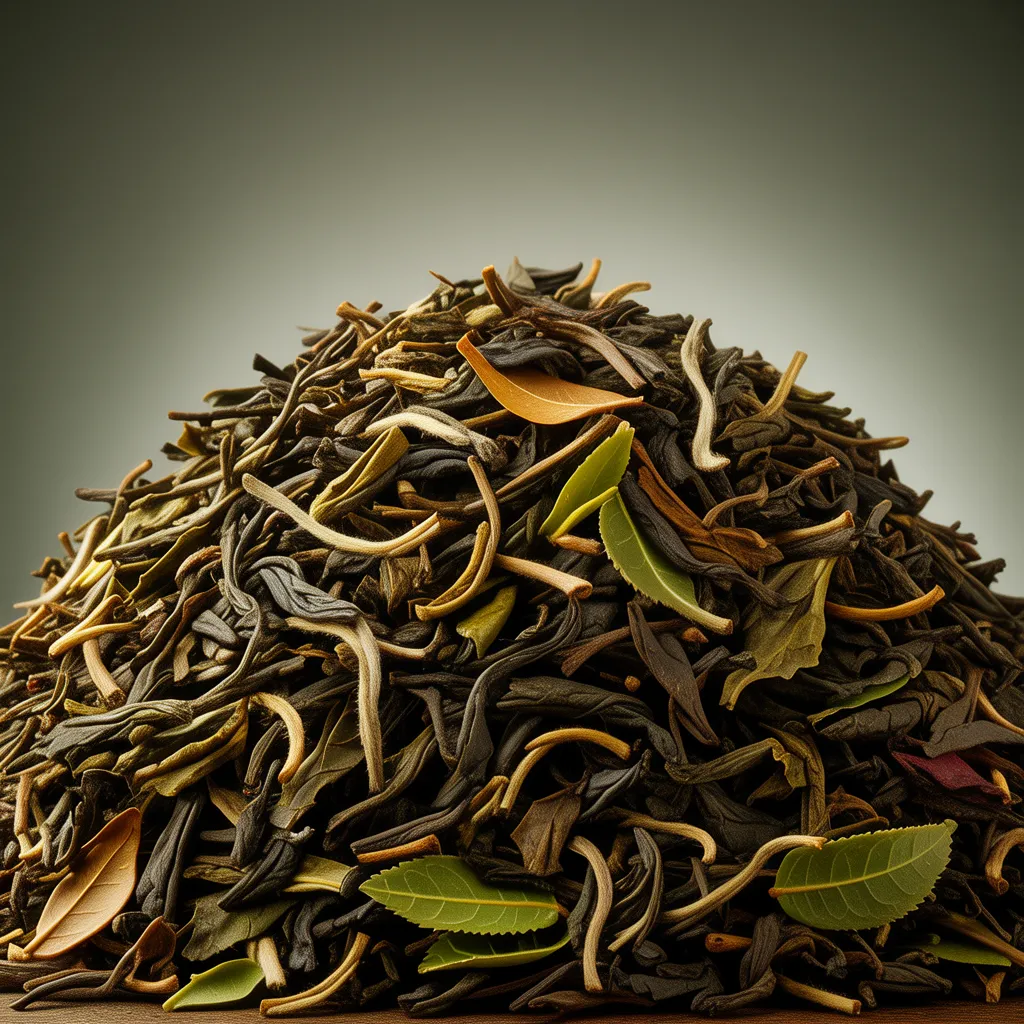
Understand the History of Fair Trade Tea
Fair Trade tea stems from the socioeconomic drives focused on advancing the livelihoods of sidelined farmers. Arising in the late 20th century, this project strived to remedy inequities in global trade, especially in transitional economies where tea is regularly grown. The movement gained traction as purchasers became more and more aware of the harsh conditions borne by small-scale farmers, including inequitable prices and mistreatment by large corporations.
Using cooperative structures, Fair Trade aimed to strengthen these farmers, ensuring they received fair payment and support for sustainable farming practices. The movement also focused on advancing ecological stewardship, encouraging organic farming and biodiversity. As awareness grew, Fair Trade tea became a symbol of responsible purchasing, connecting consumers directly with the origins of their beverages. By selecting Fair Trade tea, individuals add to a larger goal of social justice and economic equity, fostering a more sustainable future for tea-growing communities.
Explore fair commerce standards for long-term environmental initiatives
Grasping Fair Trade certification is fundamental to recognizing how sustainable practices are sustained within the tea industry. This certification promises that producers receive fair wages and work under safe conditions, which directly aids community development. Fair Trade standards support environmentally sustainable farming methods, reducing the use of harmful chemicals and encouraging biodiversity.
Certification strengthens transparency in the supply chain, permitting customers to explore article track their tea back to its source. By adhering to these guidelines, farms undertake practices that safeguard natural resources and support local ecosystems. Additionally, Fair Trade organizations often provide learning materials and training to farmers, equipping them to improve their farming techniques and financial security.
In the final analysis, Fair Trade certification improves the standard of tea while synchronizing consumer preferences with ethical and eco-conscious beliefs, establishing it as an essential feature of the tea industry's commitment to societal responsibility and ecological stewardship.
Browse Leading Selection of Fair Trade Tea
While many tea devotees relish the rich flavors and aromas of multiple tea options, studying the top varieties of Fair Trade tea indicates a more profound pledge to fair practices and ecological responsibility. Some favored options comprise Fair Trade Assam, recognized for its bold, malty taste, and Fair Trade Darjeeling, often known as the "Champagne of teas" for its delicate floral notes. Another important variety is Fair Trade Earl Grey, combined with bergamot, delivering a distinctive orange essence.
Furthermore, Fair Trade Green Tea, renowned for its invigorating qualities and health benefits, is increasingly favored among health-conscious consumers. Herbal blends, such as Fair Trade Chamomile and Peppermint, also stand out, offering soothing and calming effects. Each of these varieties not only delivers exceptional flavor but also helps farmers and communities working for better livelihoods, making them a responsible choice for tea lovers seeking quality and ethical assurance.
Brewing Fair Trade Tea: Advice for an Excellent Cup
To brew the ultimate cup of Fair Trade tea, focus is vital, since the proper steps can boost the tea's distinctive notes and scents. Initially, water quality is key; using purified water ensures a crisp taste that lets the tea's qualities shine. The water temperature is also critical; different varieties of tea call for particular heat levels; black tea requires boiling water and cooler heat is ideal for green or herbal varieties.
Then, the steeping time should be strictly observed. Oversteeping can produce a bitter flavor, while brief steeping may not release the full flavor profile. A general guideline is 3-5 minutes for black tea and 2-3 minutes for green tea.
In conclusion, getting the correct tea-water proportion enhances the taste profile; one teaspoon of loose tea per cup is a good reference point. By heeding these tips, tea enthusiasts can truly enjoy the rich offerings of Fair Trade tea.
Ecological Effects of Fair Trade Tea
Brewing Fair Trade tea not only improves the tea encounter but also promotes sustainable agricultural practices that advantage the ecosystem. Fair Trade certification encourages farmers to use organic farming methods, which decrease the reliance on harmful pesticides and fertilizers. This method promotes species diversity, helping to preserve local ecosystems and safeguard wildlife habitats.
Additionally, Fair Trade methods often highlight soil health and water conservation, ensuring that tea cultivation does not deplete essential resources. By supporting small-scale farmers, Fair Trade also cultivates agroforestry, which unites tea cultivation with other crops and trees, further strengthening environmental resilience.
Additionally, Fair Trade tea often includes environmentally responsible packaging and delivery systems, lowering the carbon footprint connected to its distribution. In summary, selecting Fair Trade tea shows a deliberate commitment to foster a more sustainable farming approach that honors both the Earth and its inhabitants.

The Impact of Your Tea Selection in Strengthening Global Communities
Selecting Fair Trade tea strengthens global communities by providing farmers with fair wages and better working conditions. This dedication guarantees that tea growers can sustain their incomes while putting money in their loved ones and local economies. By purchasing Fair Trade tea, shoppers add to the growth of essential community services, such as education and medical services.
Fair Trade accreditation encourages ethical practices, requiring companies to follow standards that prioritize employee protections and ecological responsibility. As a consequence, farmers are motivated to cultivate high-quality tea, which not only improves their earnings but also creates pride in their work.
Moreover, the unmediated trade relationships set up through Fair Trade eliminate exploitative middlemen, allowing farmers to link with patrons worldwide. This visibility cultivates trust and encourages a global appreciation for the cultural significance of tea. Ultimately, each cup of Fair Trade tea serves as a wake-up call of the meaningful change individuals can have on world societies through mindful consumption.
Regularly Asked Questions
Where Can I Locate Fair Trade Tea Items and How Do I Confirm Them in Stores?
To locate fair trade tea products in stores, one should look for verified badges, such as Fair Trade Certified or Rainforest Alliance. Additionally, researching companies committed to ethical sourcing can help with purchasing responsibly.
What Medical Advantages Are Linked to Fair Trade Tea?
Fair trade tea may provide multiple wellness advantages, such as antioxidants supporting cardiovascular wellness, better digestive function, and enhanced mental clarity. Additionally, ethical sourcing practices support sustainable agriculture, indirectly contributing to a more sustainable ecosystem and improved community welfare.
Where Can I Locate Fair Trade Tea in Online Marketplaces?
Yes, ethically sourced tea is readily found in online marketplaces. Many stores provide a wide selection of brands and blends, ensuring consumers can conveniently obtain ethically sourced options that support both sustainability and ethical working conditions.
How Does Fair Trade Tea Shape Local Economies?
Fair trade tea positively impacts local economies by offering farmers equitable compensation, fostering community development, and encouraging sustainable farming practices. This assistance enhances livelihoods, strengthens financial security, and enables communities to invest in education and healthcare.
What's the Best Way to Maintain Fair Trade Tea for Maximum Freshness?
To enhance freshness, fair trade tea should be placed in a sealed jar, shielded from moisture, light, and pungent smells. Storing it in a dark, cool location helps preserve its taste and scent over time.